The
AL-LO-CA-TOOR / NOUN
one who foresees the shift to the new allocation economy. the future belongs to those who allocate intelligence, compute, capital, agents and attention.
Highest signal insight extracted from hundreds of hours of research each day, delivered to your inbox, free.
Past publications












publication slot 4
publication slot 5
Features
youtube video
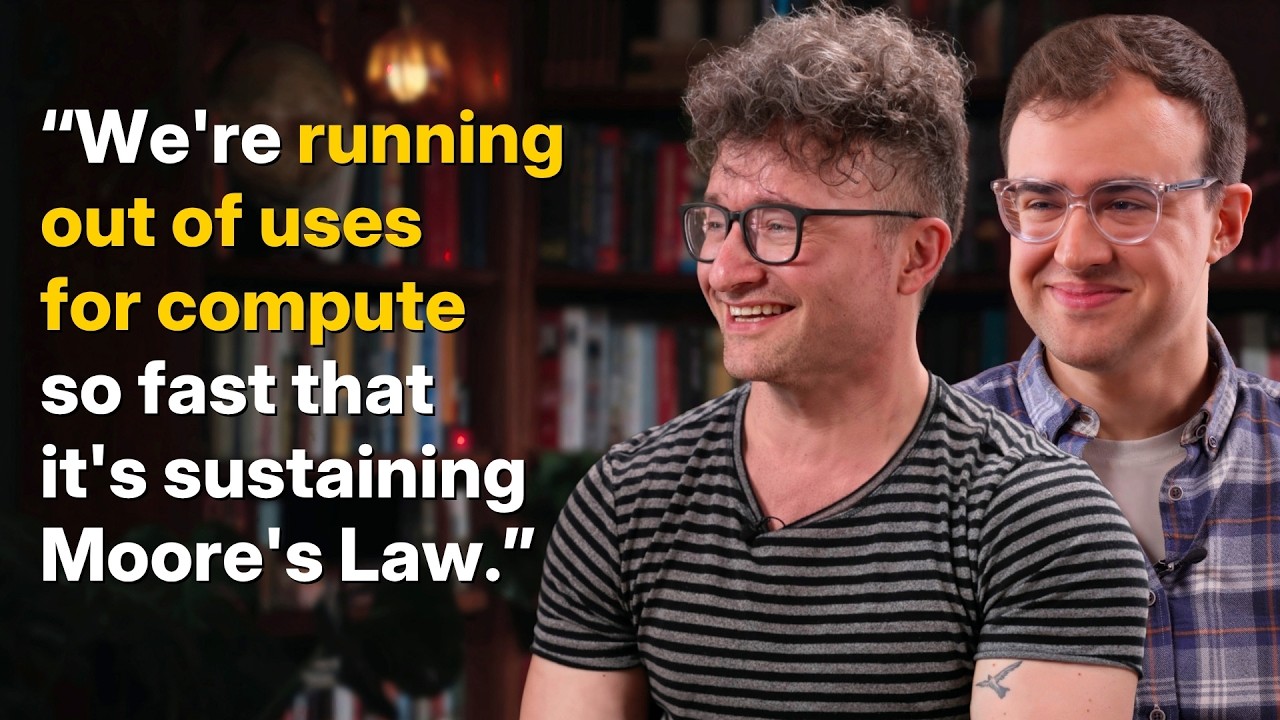
alex imas and philip trammell on owning the ai upside
AI gains are not automatically shared. Workers, ordinary savers, and poorer countries need exposure to the assets that capture the upside.




youtube video feature
demis hassabis on the ai decision window
Demis Hassabis says AGI may be close enough that the next few years are a decision window. AlphaFold shows a concrete version of AI serving science, while his comments on public concern and regulation show why governance, benefit-sharing, safety, and human agency cannot wait.


youtube video feature
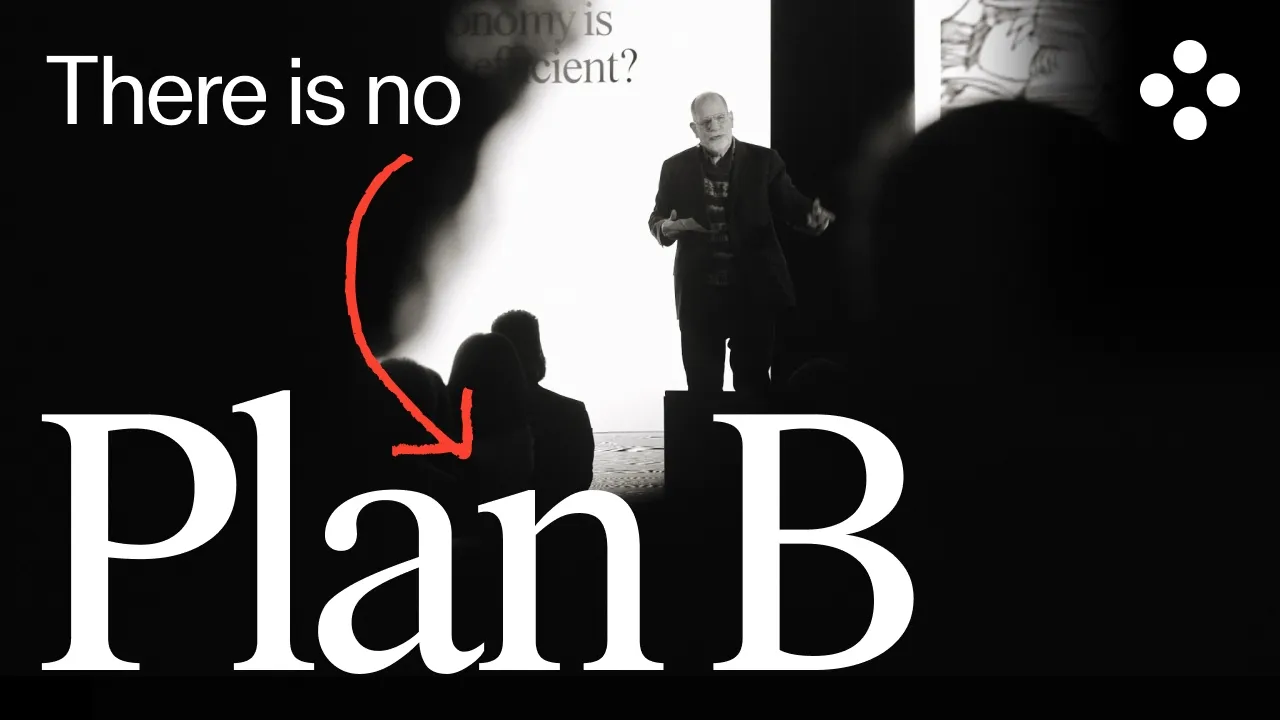
how ai makes initiative beat intelligence
Tyler Cowen argues that AI rewards initiative more than static intelligence: the winners are people and institutions that can turn AI into experiments, data, workflow redesign, and action before slow systems catch up.

youtube video feature
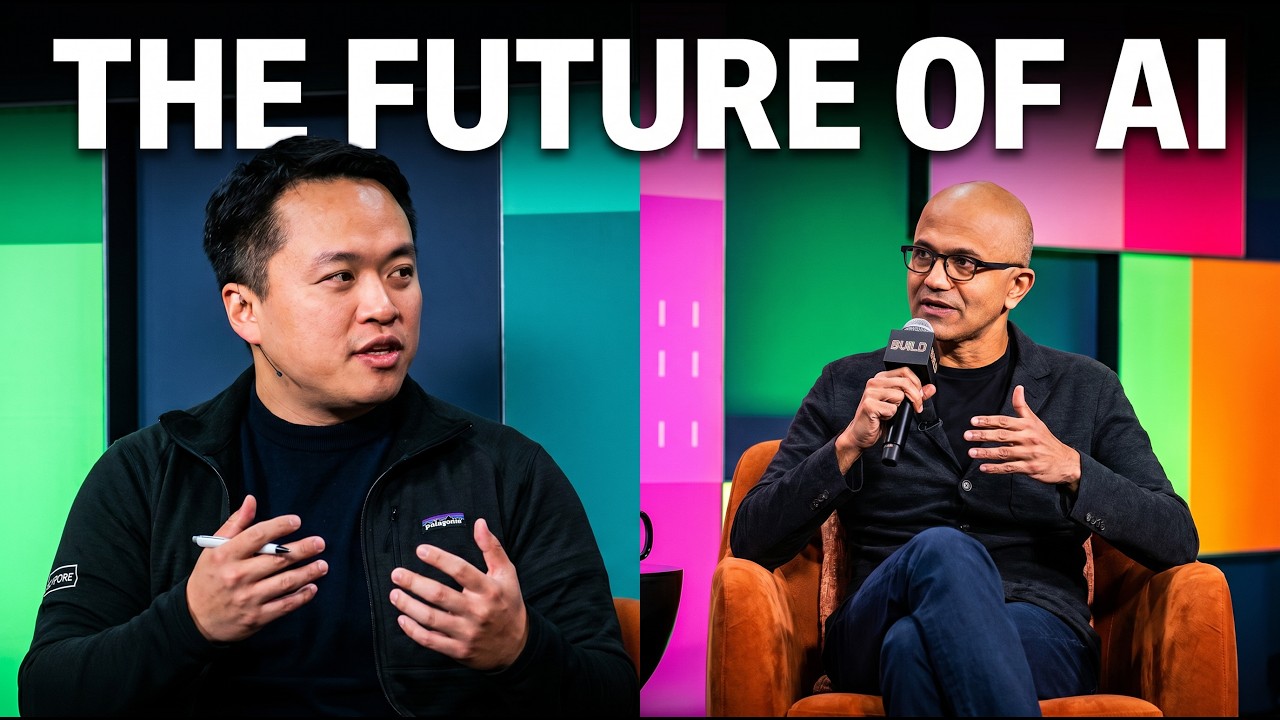
satya nadella on microsoft's ai harness race
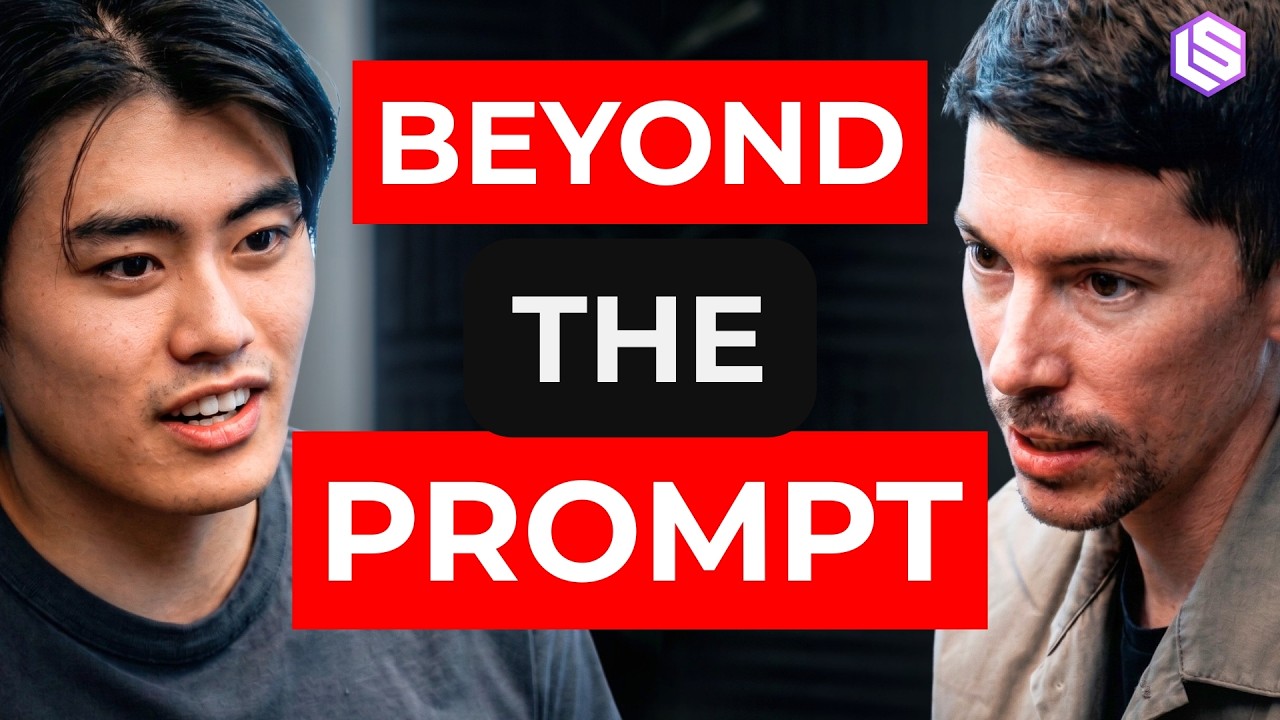
Satya Nadella is explaining Microsoft's Build 2026 AI strategy to Latent Space and No Priors. Enterprise AI value moves into the harness around agents: the operating layer that gives agents company data, tools, context, evals, permissions, interfaces, traces, and human review. Coding agents make the problem obvious. Once a developer or manager has many agents producing work, chat becomes too thin. The company needs a work surface for assigning, inspecting, approving, and improving agent work. Nadella extends that pattern to the whole enterprise: private evals can test whether agents help with company-specific work, traces can show how good work happens, and the harness can improve the system over time. Microsoft wants Foundry, GitHub Copilot, Microsoft 365, Microsoft IQ, and Azure to supply that harness. Customers may own their private evals, traces, and context, but Microsoft is building the platform where those assets become useful.



youtube video
devin's 80% moment: background agents and 7x prs
Background coding agents are becoming practical when they can go from a good spec to a pull request with less handholding, but the enterprise value comes from the surrounding evidence loop: tests, logs, screenshots, videos, GitHub comments, and reviewable context.



article
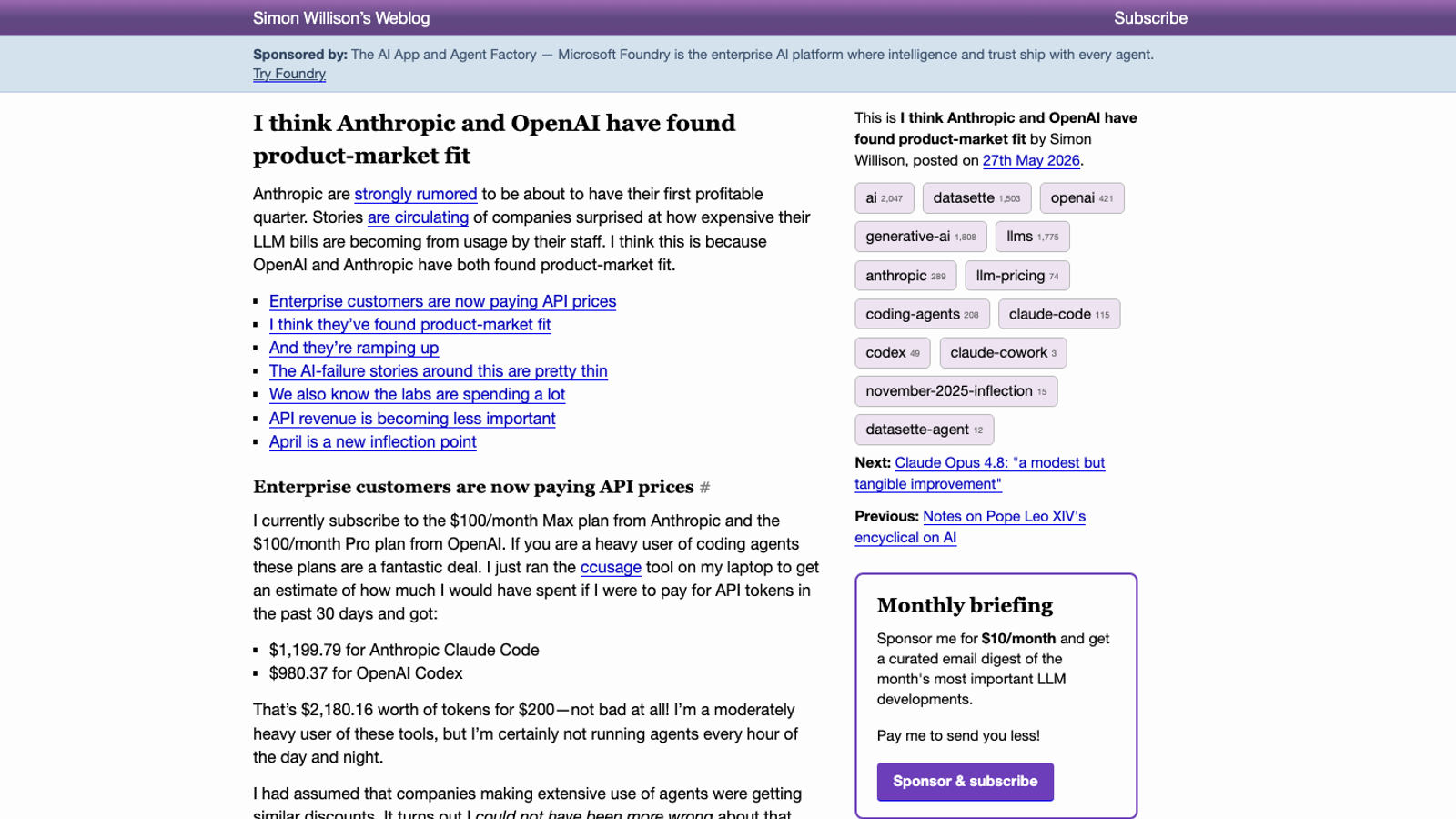
i think anthropic and openai have found product-market fit
Willison argues that Anthropic and OpenAI may have found product-market fit through coding and general-purpose agents because enterprises are being exposed to higher, usage-linked bills and may still keep the products embedded in real work.



article
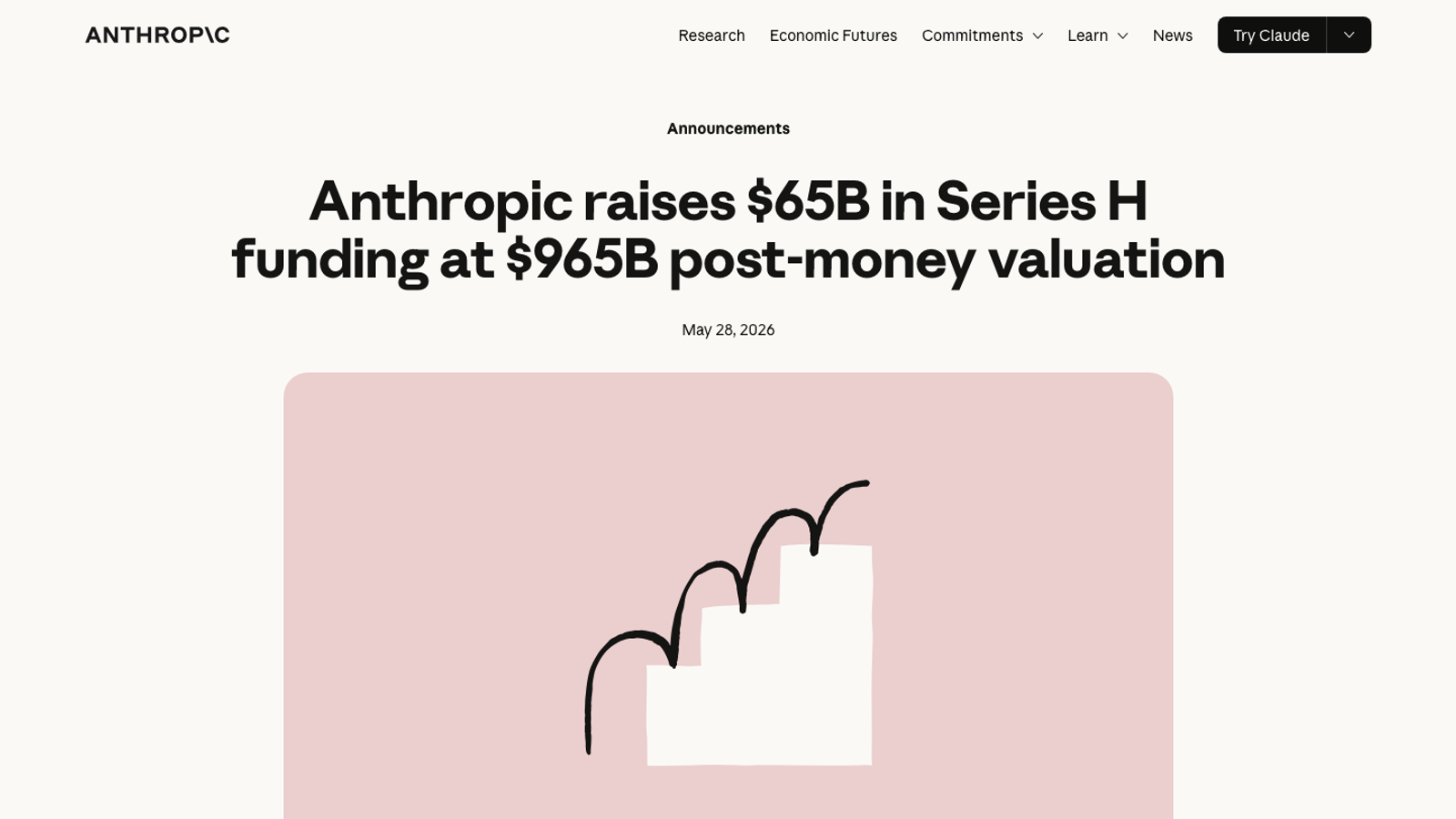
anthropic raises $65b at a $965b valuation
Anthropic presents the Series H as a demand-and-capacity story: Claude adoption is rising, revenue is scaling, and the company needs compute, cloud partnerships, chips, memory, storage, and power to keep serving frontier AI demand.
youtube video
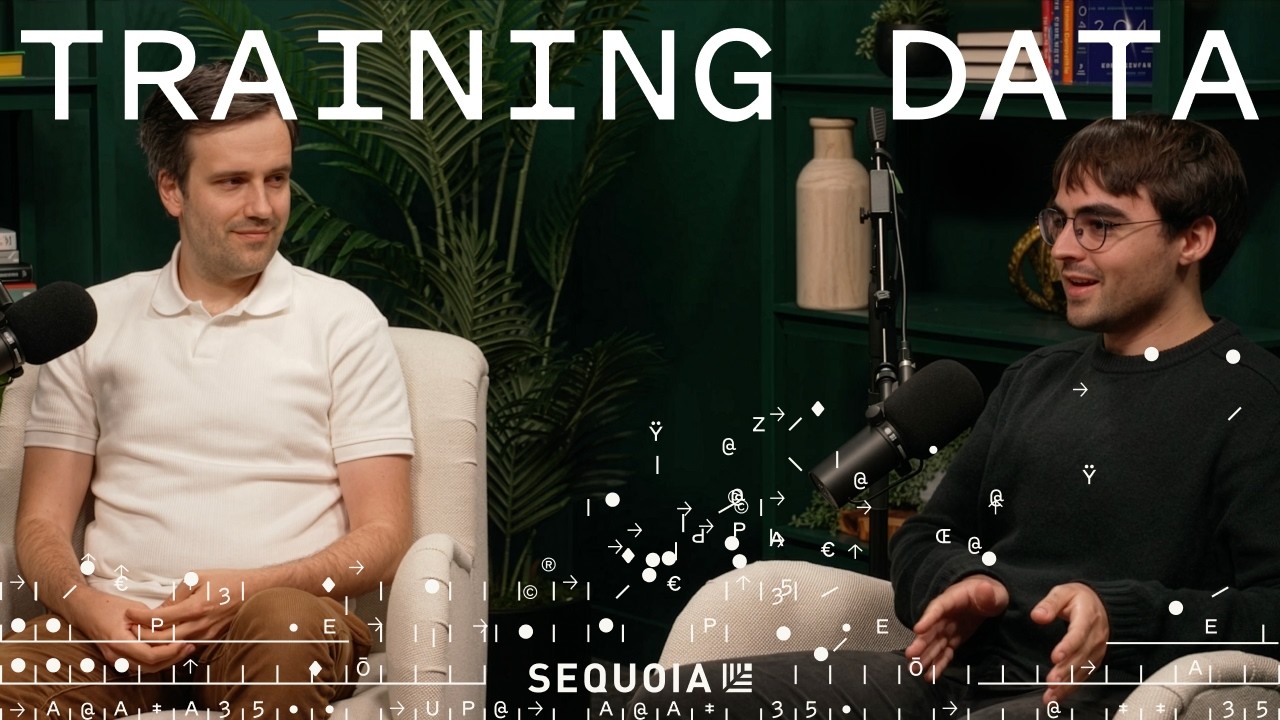
how cursor trained composer on fireworks
Cursor is a counterexample to the lazy wrapper-company-is-dead take. Composer 2 shows how an application layer can become a model-training loop when it owns workflow data, tools, tasks, reward signals, and realistic product environments.



youtube video
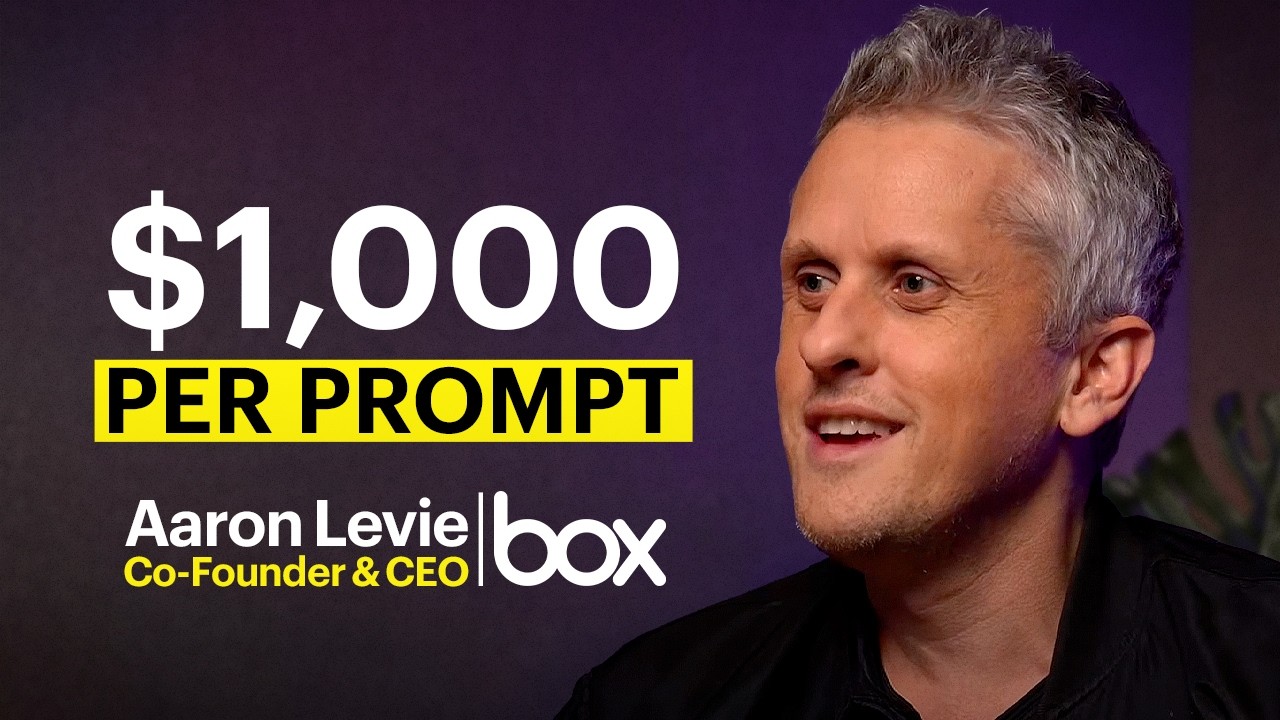
state of enterprise ai 2026 with aaron levie
Levie argues that enterprise AI has moved from model enthusiasm into resource allocation. Companies need to decide which work deserves expensive inference, which data an agent can see, who owns the output, and how value is measured.